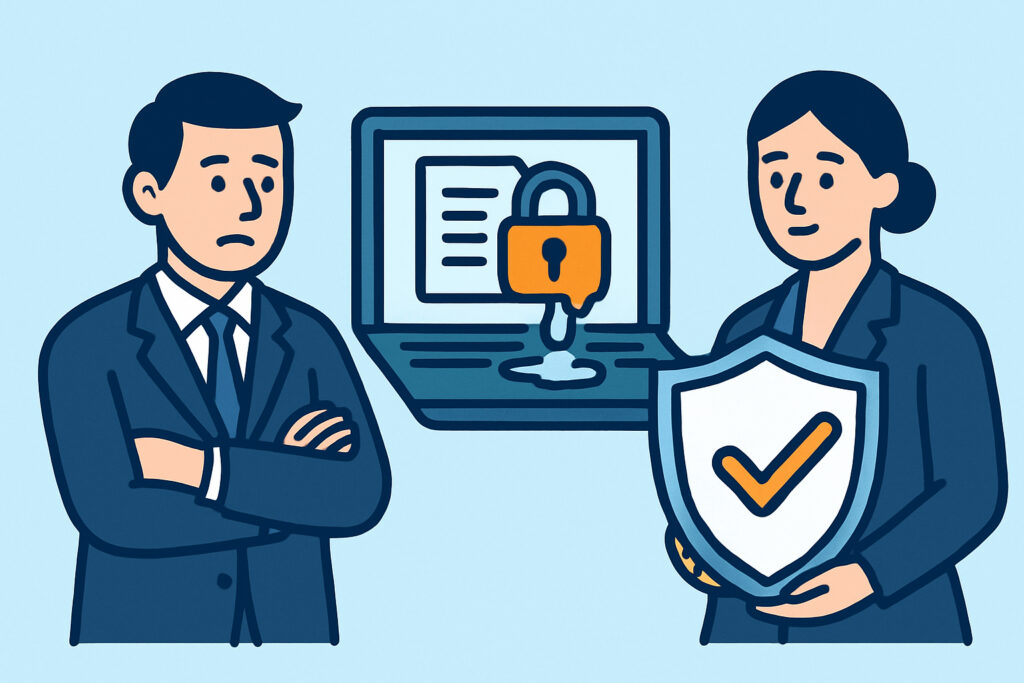
Risk managers and security teams often assume their cyber insurance will cover every data leak scenario – but many discover too late that critical incidents fall through coverage gaps. Understanding what data leak insurance actually covers can mean the difference between swift recovery and devastating financial losses.
Most policies contain specific exclusions that catch organizations off guard, particularly around accidental exposures, third-party vendor leaks, and social engineering attacks. The reality is that standard cyber insurance wasn’t designed to handle the full spectrum of modern data exposure risks.
Understanding What Data Leak Insurance Actually Covers
Traditional cyber insurance policies typically cover direct losses from malicious cyberattacks like ransomware, hacking, or network intrusions. These policies focus on intentional criminal acts against your organization’s systems.
However, many data leaks don’t fit this narrow definition. When an employee accidentally commits AWS credentials to a public GitHub repository, that’s not a malicious attack – it’s human error. When a cloud storage bucket gets misconfigured and exposes customer data, insurers often classify this as negligent operations rather than a covered cyber incident.
The distinction matters because cloud storage misconfigurations cause more data leaks than sophisticated hacking attempts. Yet these incidents frequently fall outside standard policy coverage.
Most policies also exclude losses from unencrypted data, weak authentication systems, or failure to apply security updates. These exclusions can eliminate coverage for precisely the types of exposures that monitoring services detect most frequently.
Common Exclusions That Catch Organizations Off Guard
The “acts of employees” exclusion trips up many organizations. If an insider deliberately leaks data or falls for a social engineering attack, insurers often deny claims. This exclusion can apply even when employees act without malicious intent.
Infrastructure failures present another coverage gap. When systems fail and expose data during the outage, insurers may classify this as an operational issue rather than a cyber event. The same logic applies to vendor outages that expose your data.
War and terrorism exclusions have expanded significantly. Some insurers now classify nation-state attacks as acts of war, potentially voiding coverage for sophisticated threat actors. This trend particularly affects organizations in critical infrastructure sectors.
Prior knowledge exclusions can void coverage retroactively. If insurers determine you knew about a vulnerability but failed to address it, they may deny the entire claim. This makes continuous monitoring and rapid remediation crucial not just for security, but for maintaining insurance coverage.
Third-Party Vendor Incidents: A Coverage Minefield
Vendor data leaks create complex coverage scenarios that most policies handle poorly. When your cloud provider, payment processor, or SaaS vendor exposes your data, determining liability and coverage becomes a legal maze.
Many organizations assume their vendor’s insurance will cover downstream impacts. In reality, vendor policies typically protect the vendor’s interests, not their customers’ losses. Your policy may exclude losses caused by third-party failures, leaving you unprotected.
Third-party vendor leaks represent hidden risks throughout your supply chain, but insurance coverage rarely matches this reality. Some policies only cover vendor incidents if they result from a direct attack on your systems, not the vendor’s infrastructure.
The notification timing requirements add another complication. Policies often require immediate notification of potential claims, but vendor incidents may not be disclosed to you for weeks or months after the exposure occurs.
When Accidental Exposures Fall Through Coverage Gaps
Developer mistakes represent one of the largest coverage gaps in cyber insurance. When engineers accidentally push database credentials to public repositories or misconfigure API endpoints, insurers frequently classify these as operational errors rather than cyber incidents.
Environmental variables exposed through common developer mistakes can leak sensitive credentials and configuration data, but standard policies rarely cover the resulting losses. The accidental nature of these exposures works against organizations seeking coverage.
Email misconfigurations create similar problems. When employees accidentally send sensitive data to external recipients or misconfigure email servers to allow unauthorized access, insurers often invoke human error exclusions.
Social media data leaks face coverage challenges because they typically involve employee mistakes rather than system compromises. When staff accidentally post confidential information or fall for social engineering attacks on company accounts, standard cyber policies may not respond.
Documenting Incidents for Insurance Claims
Successful insurance claims require meticulous documentation from the moment an incident is detected. Security teams must preserve evidence of the exposure, timeline of discovery, and immediate response actions taken.
The discovery timeline becomes particularly critical. Insurers scrutinize when organizations first became aware of potential exposures versus when they reported claims. Any delay in reporting can jeopardize coverage, making real-time monitoring and rapid response essential.
Document the scope of exposed data with specific details. Vague descriptions like “customer information was exposed” won’t satisfy insurers. Claims require precise inventories of what data was exposed, how many records were affected, and which specific systems were involved.
Preserve forensic evidence before beginning recovery efforts. Once systems are modified or restored, it becomes difficult to prove the incident’s scope and cause. Work with legal counsel to ensure evidence collection supports both incident response and insurance claim requirements.
How to Strengthen Your Data Leak Insurance Coverage
Review your policy’s definition of “cyber incident” carefully. Some insurers use narrow definitions that exclude accidental exposures or operational failures. Negotiate broader language that covers data exposures regardless of cause.
Add specific coverage for vendor-related incidents. Standard policies often exclude third-party failures, but endorsements can extend coverage to include vendor data leaks that affect your customers or operations.
Ensure your policy covers business interruption from data leaks, not just direct response costs. Revenue losses during incident response and customer notification can exceed technical remediation expenses.
Consider “non-malicious” coverage endorsements that protect against employee errors and system failures. These additions close gaps in standard policies that focus exclusively on intentional attacks.
Regularly update your coverage limits based on current data exposure risks. As organizations collect more sensitive data and face stricter regulatory requirements, the potential cost of data leak incidents continues to rise.
The Role of Continuous Monitoring in Insurance Compliance
Insurers increasingly require organizations to demonstrate proactive security measures to maintain coverage. Continuous data leak monitoring helps satisfy these requirements while providing evidence of due diligence.
Many policies now include “reasonable security measures” requirements that can void coverage if organizations fail to implement appropriate controls. Automated monitoring systems help demonstrate compliance with these provisions.
Monitoring provides crucial evidence for claims documentation. When automated systems detect exposures immediately and trigger response protocols, this timeline supports insurance claims and demonstrates reasonable care in protecting sensitive data.
Some insurers offer premium discounts for organizations that implement continuous monitoring. These programs recognize that early detection reduces the overall cost and impact of data leak incidents.
Frequently Asked Questions
Does cyber insurance cover data leaks caused by employee mistakes?
Most standard policies exclude losses from employee errors or negligence. However, some policies offer endorsements that cover non-malicious employee actions. Review your policy’s “acts of employees” language carefully and consider adding specific coverage for accidental exposures.
What happens if my vendor’s data breach exposes my customer information?
Coverage depends on your policy’s third-party provisions and the vendor’s insurance. Many standard policies exclude vendor-caused incidents, leaving you responsible for customer notification costs and regulatory fines. Consider adding vendor incident coverage or ensuring your vendor contracts include adequate insurance protections.
How quickly do I need to report a data leak to my insurance company?
Most policies require “immediate” or “prompt” notification, typically within 24-72 hours of discovering an incident. Delays in reporting can void coverage entirely. Establish clear escalation procedures that include insurance notification as part of your incident response plan.
Understanding your data leak insurance coverage requires careful policy review and proactive risk management. The gap between what organizations expect their insurance to cover and what policies actually protect continues to widen as data exposure threats evolve. Organizations that combine comprehensive monitoring with appropriate insurance coverage create the strongest defense against both the operational and financial impacts of data leaks.