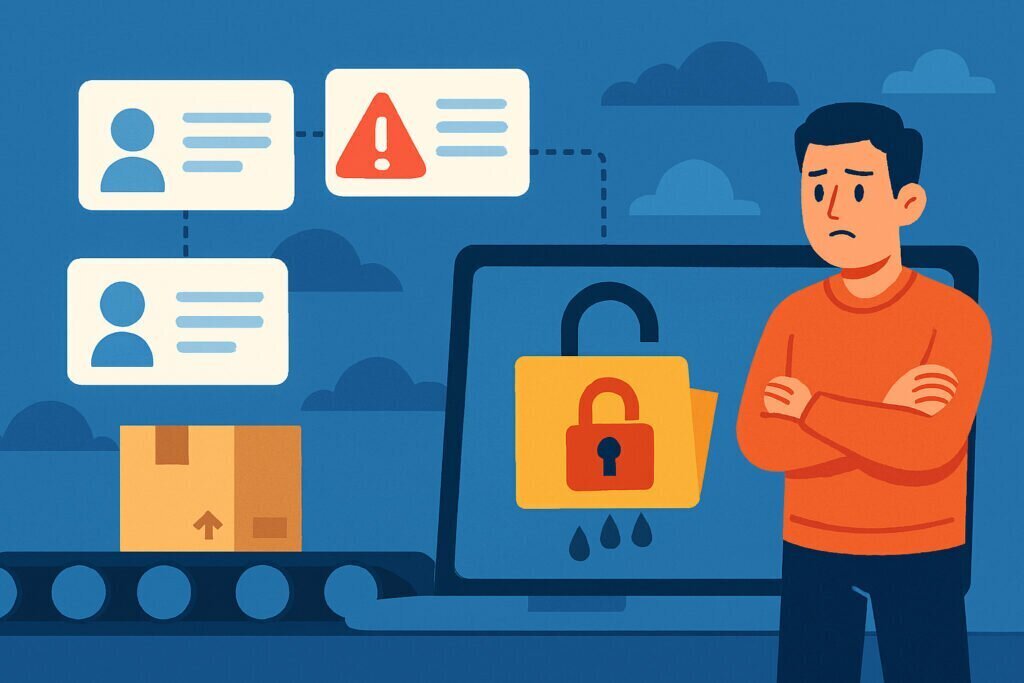
You’ve locked down your own systems, trained your staff, and implemented strong security policies. But what about the dozens of vendors who have access to your data? Last year, I watched a mid-sized Finnish company deal with a nightmare scenario: their customer database appeared on a hacker forum, but the breach didn’t happen on their servers. It came through a third-party email marketing provider they’d been using for years.
This is the uncomfortable reality of modern business. Your security is only as strong as your weakest vendor, and you probably have more vendors with access to sensitive data than you realize.
Why Vendor Leaks Are So Dangerous
When you hand data over to a third party, you’re essentially extending your security perimeter to include their infrastructure. The problem? You have minimal control over how they protect that information. A cloud storage provider, a payment processor, a CRM system, or even a simple analytics tool—each one represents a potential leak point.
What makes this particularly tricky is the cascade effect. Your vendor might be secure, but they’re probably using their own vendors too. That marketing automation platform you trust? They might be using a smaller cloud hosting company you’ve never heard of. And that hosting company might have lax security practices.
I’ve seen businesses discover their data in breach databases months after the actual leak occurred. By that time, the damage was done—credentials sold, customer lists exploited, and competitive information shared with rivals.
Common Sources of Third-Party Leaks
Misconfigured cloud storage remains the number one culprit. A vendor’s AWS bucket left publicly accessible, an Azure blob storage with default permissions, or a database backup accidentally exposed to the internet. These aren’t theoretical risks—they happen constantly.
Compromised vendor credentials are another major issue. When a vendor’s employee falls for a phishing attack or reuses passwords across services, attackers can access not just the vendor’s data but potentially yours too. I’ve tracked cases where a single compromised vendor account led to data exposure for hundreds of their clients.
Development and testing environments often contain real production data without the same security controls. A vendor’s staging server might be easier to access, yet it contains a full copy of your customer database.
Then there’s the human factor: departing employees, contractors, and support staff at vendor companies who retain access longer than they should. Or who take data with them when they leave.
Real-World Impact
The 2013 Target breach is the classic example—attackers gained access through an HVAC vendor’s compromised credentials. More recently, we’ve seen SolarWinds, where a vendor’s software update mechanism became the attack vector for thousands of organizations.
But you don’t need to be a Fortune 500 company to be affected. Small businesses often suffer worse consequences because they have fewer resources to detect and respond to vendor-related leaks. A local accounting firm losing client data through their cloud backup provider might not make headlines, but it can destroy their business.
How to Actually Protect Yourself
Start with a complete inventory of every third party that touches your data. This sounds basic, but most companies don’t have one. Include not just the obvious SaaS platforms but also the smaller tools—that WordPress plugin developer who has FTP access, the freelance developer who maintains your mobile app, or the marketing agency with admin access to your analytics.
Conduct proper vendor security assessments before signing contracts. Don’t just accept generic security questionnaires. Ask specific questions: Where is data stored geographically? Who has access? What monitoring do they have in place? How quickly would they notify you of a breach?
Implement principle of least privilege ruthlessly. Your email marketing vendor doesn’t need access to your entire customer database—just email addresses and names. Your payment processor shouldn’t store full credit card details if tokenization is available.
Continuous Monitoring Is Non-Negotiable
Here’s where many businesses fail: they assess vendor security once during procurement, then never check again. But vendor security postures change. Companies get acquired, they cut costs, they experience turnover, or they simply get complacent.
Continuous monitoring means actively looking for your data in places it shouldn’t be. This includes monitoring paste sites, breach databases, public code repositories, and dark web forums. I built LeakVigil specifically because manual monitoring doesn’t scale—you need automated systems constantly checking if your company identifiers, domains, or sensitive strings appear where they shouldn’t.
Set up alerts for your vendors too. If your payment processor suffers a breach, you need to know immediately, not when they get around to notifying you weeks later.
What to Do When a Vendor Leak Happens
First, confirm the scope. What data was exposed? Which vendor was involved? How many records? When did it happen? Don’t rely solely on the vendor’s assessment—they often downplay the severity.
Immediately review what access that vendor still has and revoke anything non-essential. Change any shared credentials or API keys. If customer data was involved, you’ll likely have legal notification requirements depending on your jurisdiction.
Document everything. You’ll need detailed records for regulatory compliance, insurance claims, and potentially legal proceedings.
Common Misconceptions About Vendor Risk
”We only work with reputable vendors, so we’re safe.” Large, well-known companies suffer breaches constantly. Microsoft, Google, Amazon—they’ve all had security incidents. Reputation doesn’t equal perfect security.
”Our contract has security requirements, so we’re covered.” Contracts help with liability, but they don’t prevent breaches. Legal recourse after a leak doesn’t undo the damage.
”We don’t have that much data, so vendors won’t target us.” Attackers often don’t target specific companies—they target vulnerable vendors and exploit whatever data they find.
The truth is, vendor risk management isn’t a one-time checkbox exercise. It’s an ongoing process that requires attention, resources, and the right monitoring tools. Your supply chain will always represent potential risk, but with proper oversight and continuous monitoring, you can catch problems before they become catastrophes.