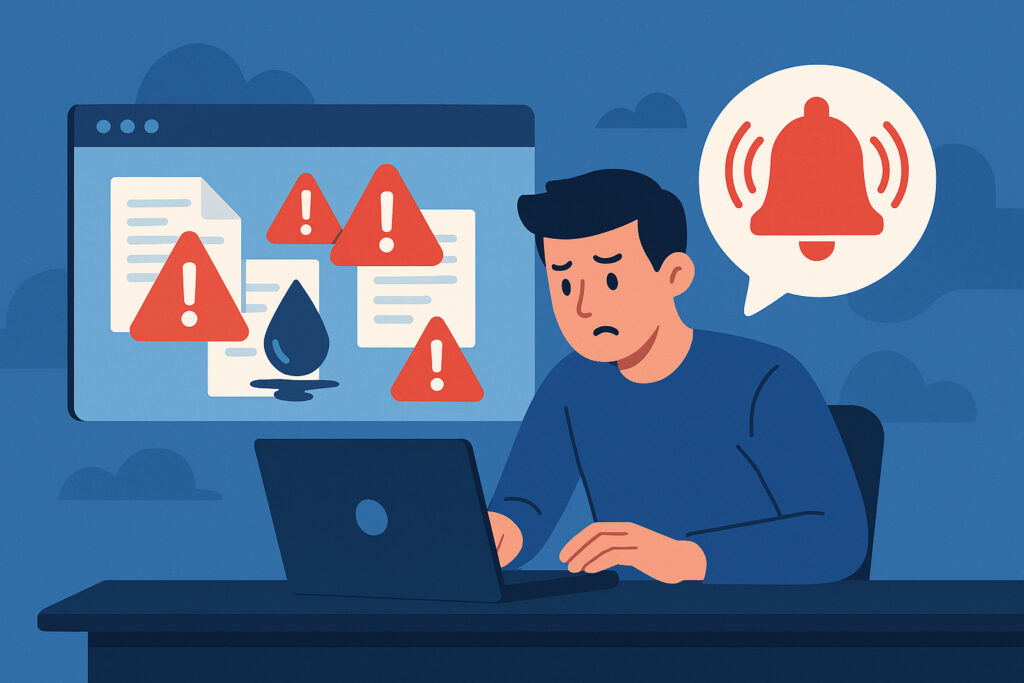
When sensitive company data appears where it shouldn’t be, every minute counts. The difference between catching a leak in real-time versus discovering it days or weeks later can mean the difference between a minor security incident and a full-blown crisis that damages your reputation, costs you clients, and triggers regulatory penalties.
I learned this lesson the hard way a few years back when a client’s employee accidentally pushed database credentials to a public GitHub repository. We didn’t catch it until three days later, and by then, the credentials had already been scraped by automated bots. What could have been a simple password rotation turned into an emergency weekend migration. That incident taught me that when it comes to data leaks, speed isn’t just important—it’s everything.
The Window of Opportunity Closes Fast
Here’s what most people don’t realize: leaked data doesn’t just sit there waiting to be discovered. The moment sensitive information hits a public forum, paste site, or code repository, automated scrapers and bots start harvesting it. We’re talking minutes, not hours.
Research shows that credentials posted on public repositories are often compromised within minutes of exposure. Attackers use automated tools that continuously monitor platforms like GitHub, Pastebin, and various forums specifically looking for leaked API keys, passwords, database strings, and other valuable information.
This is why traditional security audits that run weekly or monthly simply aren’t enough anymore. By the time your quarterly security review rolls around, leaked data has already been exploited, sold, or used to breach your systems.
What Happens in the First Hour
Let me break down what typically happens after a data leak:
0-15 minutes: Automated bots detect and scrape the leaked information. If it’s credentials or API keys, they’re already being tested against your systems.
15-60 minutes: The data starts circulating in underground forums and channels. Depending on its value, it might be sold or shared with malicious actors.
1-24 hours: If the leak contains customer data or intellectual property, it may appear on dark web marketplaces. Attackers begin planning more sophisticated attacks using the leaked information.
24+ hours: The damage compounds. Regulatory bodies may need to be notified, customers contacted, and your incident response team is now dealing with an active breach rather than preventing one.
The stark reality is that after the first hour, you’re already in damage control mode rather than prevention mode.
Real-Time Monitoring Changes Everything
This is where real-time leak detection fundamentally changes the game. Instead of discovering breaches after they’ve been exploited, you’re alerted the moment sensitive data appears in monitored sources.
With immediate alerts, your security team can:
Revoke compromised credentials before they’re used in attacks. This single action can prevent unauthorized access entirely.
Remove leaked data from public sources quickly, reducing its spread and availability to malicious actors.
Assess the scope of the leak while the trail is still warm, making it easier to understand what happened and who might be affected.
Implement countermeasures like blocking suspicious IP addresses or enforcing additional authentication layers before attackers can leverage the leaked information.
I’ve seen companies respond to real-time alerts within 10 minutes of a leak occurring, rotating API keys and preventing any unauthorized access. Compare that to discovering the same leak two weeks later when thousands of unauthorized API calls have already been made.
Common Misconceptions About Leak Detection
Many organizations still believe that perimeter security and access controls are sufficient. They think, ”We have firewalls and authentication systems, so we’re protected.” But leaks don’t always come from external breaches—often they’re accidental exposures by employees, contractors, or even automated systems misconfigured to expose data publicly.
Another myth is that manual monitoring is enough. Some security teams assign someone to periodically check GitHub or run searches on paste sites. The problem? This approach is impossibly slow and incomplete. There are thousands of platforms where data can leak, and human monitoring simply can’t keep pace with the rate at which information is posted and scraped.
Practical Steps for Faster Response
If you’re serious about minimizing leak damage, here’s what you need to implement:
Set up automated monitoring across multiple platforms—code repositories, paste sites, forums, dark web marketplaces, and social media. Manual checking won’t cut it.
Configure instant notification channels that reach your security team immediately. Email alerts that sit in an inbox for hours defeat the purpose. Use SMS, Slack, or other real-time messaging platforms.
Create response playbooks before leaks happen. Your team should know exactly what to do when an alert comes in: who revokes credentials, who contacts legal, who assesses the damage.
Test your response time regularly. Run drills where you simulate a leak and measure how quickly your team can respond. If it takes more than 30 minutes to revoke credentials after an alert, something needs to change.
The Bottom Line
Speed in leak detection isn’t just a nice-to-have feature—it’s the difference between a contained security incident and a catastrophic breach. Real-time alerts give you that critical window where you can actually prevent damage rather than just documenting it afterward.
Every hour of delay multiplies the potential damage exponentially. Automated systems are already exploiting your leaks faster than you can manually detect them. The only way to stay ahead is with monitoring systems that match that speed with instant, actionable alerts that let your team respond before attackers can capitalize on exposed data.