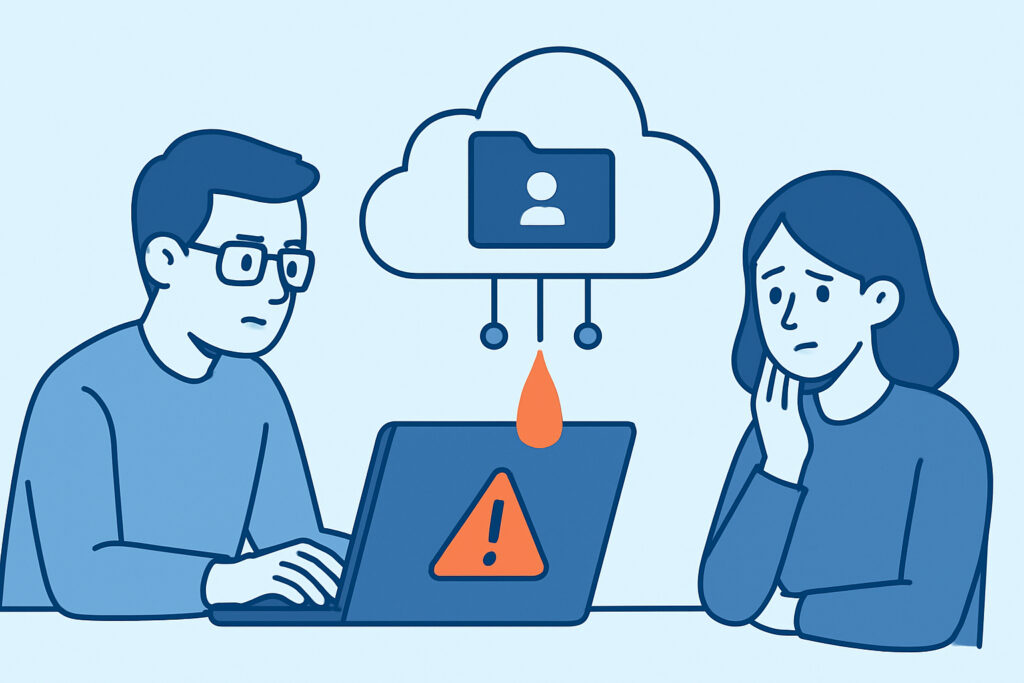
Organizations using SaaS applications face a unique data exposure risk through tenant leaks, where shared infrastructure creates unexpected pathways for sensitive information to escape. While most companies focus on traditional breach vectors, SaaS tenant leaks often go undetected because they occur within seemingly secure cloud environments.
Unlike direct application breaches, tenant leaks in SaaS environments exploit the fundamental architecture of multi-tenant systems. When one tenant’s data becomes accessible to another, or when tenant isolation fails, the resulting exposure can be difficult to detect without proper monitoring.
Understanding Multi-Tenant Architecture Vulnerabilities
SaaS platforms typically serve multiple customers from shared infrastructure, separating data through logical controls rather than physical barriers. This approach offers cost efficiency and scalability but introduces specific risks that traditional security measures often miss.
The most common tenant leak scenarios occur when database queries return results beyond their intended scope, when shared caches retain data between tenant sessions, or when API endpoints fail to properly validate tenant-specific access controls. These issues rarely trigger conventional security alerts because the system appears to function normally.
A real-world example involves a customer relationship management platform where a misconfigured database view allowed one company to access contact lists from dozens of other tenants. The leak went unnoticed for three months because users assumed the extra contacts belonged to their organization’s subsidiaries.
Common Causes of SaaS Tenant Data Exposure
Authentication boundary failures represent the primary cause of tenant leaks. When session management systems fail to properly isolate user contexts, employees may inadvertently access data from other organizations using the same platform.
Configuration errors during SaaS deployment updates frequently create temporary windows where tenant isolation breaks down. During system maintenance or feature rollouts, database connections may inadvertently cross tenant boundaries, especially in environments with complex customer hierarchies.
Shared resource contamination occurs when SaaS providers reuse infrastructure components without proper sanitization. This includes shared search indexes, cached query results, or temporary storage that retains traces of other tenants’ data.
API endpoint vulnerabilities often emerge when developers implement new features without accounting for tenant-specific access controls. The resulting endpoints may process requests correctly but return data sets that span multiple tenant boundaries.
Detection Challenges in Shared Infrastructure
Traditional data leak monitoring systems struggle with SaaS tenant leaks because the exposure occurs within legitimate application environments. Standard breach detection tools cannot distinguish between authorized access and cross-tenant data bleeding.
The complexity increases when organizations use multiple SaaS applications with federated authentication systems. A single sign-on token that works across platforms may inadvertently grant access to tenant data beyond the user’s intended scope.
Time-delayed exposure represents another detection challenge. Tenant leaks may not become visible immediately – data might accumulate in shared caches or search results over weeks before becoming apparent to monitoring systems. Multi-source monitoring becomes essential for catching these gradual exposures.
Identifying Your Organization’s SaaS Exposure Surface
Start by cataloging all SaaS applications that store sensitive company data, including customer information, financial records, intellectual property, or employee details. Many organizations underestimate their SaaS footprint because employees frequently adopt new tools without IT department involvement.
Document the data classification level for each SaaS application. Critical systems like HR platforms or financial management tools require more intensive monitoring than general productivity applications.
Map data flows between your SaaS applications, particularly those using API integrations or shared authentication systems. These interconnections create additional exposure pathways that tenant leaks can exploit.
Review tenant isolation documentation from your SaaS providers. While marketing materials often emphasize security, technical documentation reveals the actual isolation mechanisms in use. Look for details about database architecture, caching systems, and API access controls.
Monitoring Strategies for Multi-Tenant Environments
Implement monitoring for unexpected data volumes or unfamiliar information appearing in your SaaS applications. Employees may notice customer names they don’t recognize or project data from unknown initiatives – these observations often represent the first indication of tenant leaks.
Monitor for data that appears in SaaS applications but shouldn’t exist there based on your organization’s usage patterns. This includes information from industry sectors you don’t serve, geographic regions where you don’t operate, or business functions your company doesn’t perform.
Set up automated alerts for unusual data export activities from your SaaS applications. Tenant leaks sometimes become apparent when employees attempt to download or process datasets that contain more information than expected.
Automated scanning systems should monitor for your organization’s data appearing in contexts where it doesn’t belong, including other companies’ public repositories, support forums, or documentation sites that might indicate cross-tenant data bleeding.
Immediate Response Actions for Tenant Leaks
When you suspect a tenant leak, immediately document what data appears to be affected and which users have accessed the potentially compromised information. Unlike traditional breaches, tenant leaks may require coordinating with other affected organizations through the SaaS provider.
Contact your SaaS provider’s security team with specific details about the suspected tenant leak. Include screenshots, timestamps, and affected user accounts. Many providers have established procedures for investigating tenant isolation failures, but they need detailed information to begin their analysis.
Temporarily restrict access to affected SaaS applications until the provider can confirm proper tenant isolation has been restored. This may seem disruptive, but continued use during a tenant leak can compound the exposure and complicate forensic analysis.
Rotate authentication credentials for affected applications after the provider confirms they’ve resolved the tenant isolation issue. Even if the leak wasn’t authentication-related, credential rotation helps ensure the exposure pathway is fully closed.
Contractual Protections and SaaS Provider Accountability
Many organizations assume their SaaS contracts adequately address tenant isolation failures, but standard terms often lack specific provisions for cross-tenant data exposure incidents. Review your agreements to understand liability allocation and notification requirements for tenant leaks.
Negotiate specific tenant isolation guarantees with critical SaaS providers. These should include technical details about isolation mechanisms, monitoring procedures, and incident response timelines. Generic “security best practices” clauses provide little protection during actual tenant leak incidents.
Require SaaS providers to demonstrate their tenant isolation testing procedures and share relevant audit results. Providers serving enterprise customers should be able to explain how they verify tenant boundaries remain intact during system updates and maintenance activities.
Common myth alert: Many security teams believe that enterprise SaaS applications automatically provide perfect tenant isolation because they serve large corporate customers. In reality, tenant isolation is an ongoing engineering challenge that requires constant vigilance, and failures occur even in well-regarded platforms.
Building Internal Awareness and Reporting
Train employees to recognize and report unusual data in SaaS applications. Unlike traditional security training that focuses on avoiding malicious links or attachments, tenant leak awareness requires helping staff identify data that seems out of place or unfamiliar.
Establish clear reporting channels for suspected tenant leaks that bypass normal IT support queues. These incidents require immediate investigation and may involve legal or compliance considerations that standard support procedures don’t address.
Create incident response procedures specifically for tenant leaks that include coordination with SaaS providers, assessment of other potentially affected customers, and evaluation of regulatory notification requirements.
Frequently Asked Questions
How can we tell the difference between a tenant leak and legitimate data sharing within our organization?
Tenant leaks typically involve data from completely unrelated organizations, often in different industries or geographic regions. Legitimate internal data sharing should be recognizable to someone in your organization, even if they’re not directly involved with that specific project or department.
Are certain types of SaaS applications more prone to tenant leaks than others?
Applications with complex data relationships and extensive API integrations face higher risk, particularly CRM systems, project management platforms, and business intelligence tools. However, any multi-tenant SaaS application can experience isolation failures, so monitoring should be comprehensive rather than selective.
What legal obligations do we have if we discover another company’s data in our SaaS environment?
This depends on jurisdiction and the type of data involved, but generally you should immediately notify the SaaS provider and avoid accessing or copying the exposed data. Some regulations require notification to affected parties or regulators, similar to traditional data breach requirements.
Prevention Through Architectural Understanding
The most effective defense against SaaS tenant leaks combines technical monitoring with organizational awareness. Security teams must understand that shared infrastructure creates unique exposure pathways that traditional breach detection systems may miss.
Regular assessment of your SaaS environment’s tenant isolation mechanisms, combined with comprehensive monitoring for unexpected data exposure, provides the best protection against these hidden infrastructure risks. Remember that tenant leaks often manifest gradually, making continuous monitoring more critical than point-in-time security assessments.